
July 8, 2026
Meeting Hygienic Sealing Standards in Pharmaceutical Manufacturing
In pharmaceutical manufacturing, a gasket or packing choice is a compliance decision, not just an engineering one. Materials in product-contact zones typically need to meet FDA, USP Class VI, or 3-A sanitary standards — and using a non-compliant material, even briefly, can compromise a batch or an audit.
Product-contact sealing
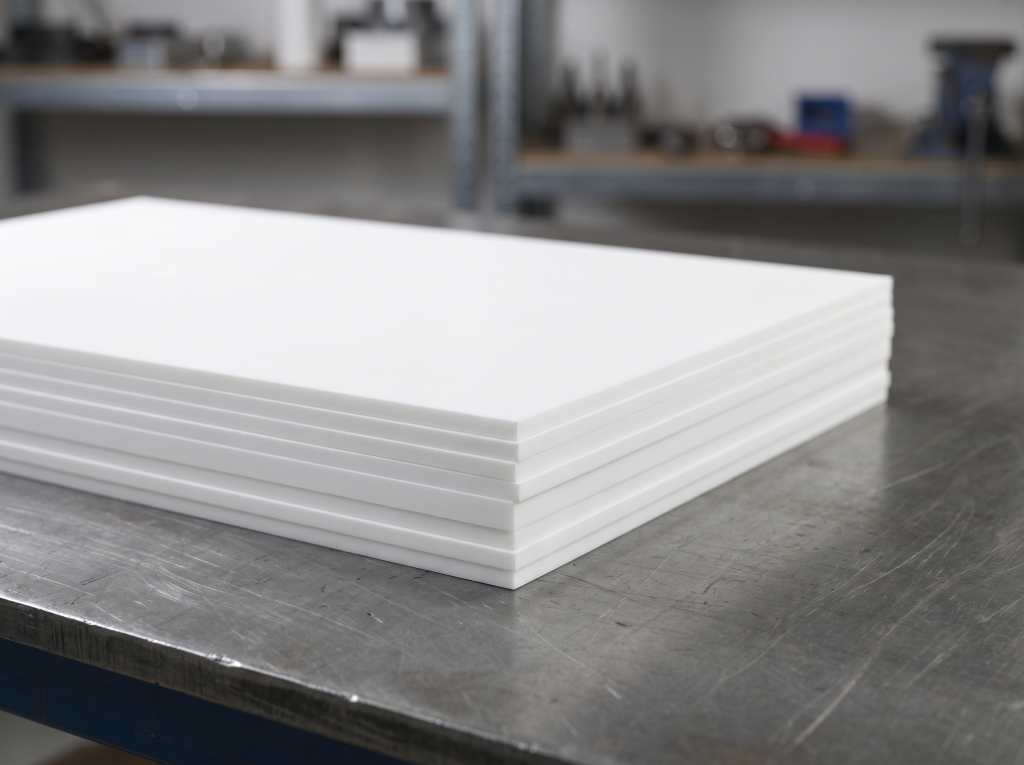
Pure PTFE Gland Packing and PTFE Sheets are available in food/FDA-grade white PTFE, giving the chemical inertness and non-contaminating surface pharmaceutical product-contact applications require, with a working range that comfortably covers CIP/SIP cycles.
Vessel and reactor gaskets
Glass-lined and stainless vessels common in pharmaceutical processing often have irregular or delicate flange faces. PTFE Joint Sealant conforms in place without the risk a rigid gasket carries on a glass-lined surface.
Where silicone fits
Platinum-cured silicone is widely specified in hygienic processing for its clean extractables profile. Silicone Rubber Sheet covers gasketing and seals where flexibility is needed alongside the temperature range (-60°C to +230°C) CIP/SIP cycling demands.
Frequently asked questions
Is standard PTFE sufficient, or does it need to be FDA-certified specifically? For product-contact zones, always confirm FDA/USP Class VI certification specifically — not all PTFE is graded equally, and documentation is usually required for audit.
Can the same gasket material be used across CIP and SIP cycles? Food-grade PTFE and platinum-cured silicone both tolerate typical CIP/SIP temperature ranges, but always confirm against your specific cycle parameters.
Tell us which zones need FDA/3-A certified materials and we’ll confirm the correct grade with documentation you can use for audit.