
October 13, 2026
Fitting Expansion Joint Fabrics and Heat Shields
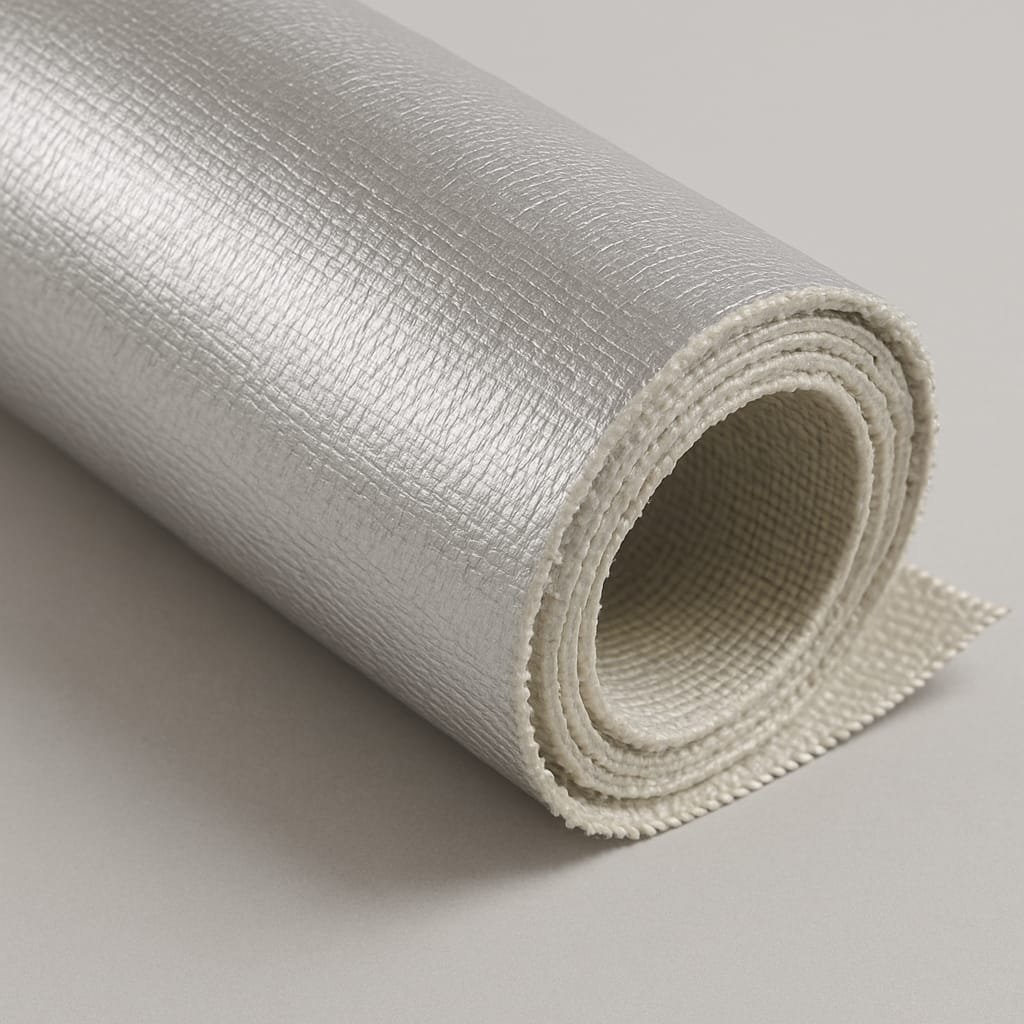
Fabric expansion joints and heat shields fail early far more often from fitting errors than from material choice. The fabric is usually right; the way it was tensioned, clamped or aligned is what kills it.
Why the joint is there
A fabric expansion joint absorbs thermal growth, vibration and slight misalignment between two rigid sections of duct. It is a flexible element, and it only works if it is allowed to stay flexible. Anything that stops it moving transfers the load back into the ductwork.
Measure before you cut
Take the face-to-face gap between flanges at operating position, the duct dimensions, and the movement the joint has to absorb — axial, lateral and angular. Note the operating and peak temperatures, and whether the gas is clean, dusty or chemically aggressive. Those decide the fabric.
Fit it slack, not tight
This is the mistake that matters most. A fabric joint must be fitted with slack in it. It needs free material to absorb movement; pulled drum-tight on installation it has nothing left to give, and the first thermal cycle tears it or pulls the clamping loose. Build in the designed slack and resist the instinct to make it look neat.
Clamp evenly across the full width
Use the full backing bar rather than spot clamping. Tighten fasteners progressively in a criss-cross sequence, working out from the centre, so the fabric is not dragged sideways as the clamping closes. Uneven clamping concentrates stress at a few points, and that is where the first tear appears.
Keep the flow face correct
Most fabrics are directional, with a specific face intended toward the gas. Fitting it inside out exposes the wrong layer to heat and chemical attack. Check the markings before clamping — once the bars are on it is a long job to reverse.
Heat shields and screens
Shields work by reflection and a standoff air gap, not by thickness. Aluminium coated fabric mounted hard against a hot surface conducts heat straight through; mounted with an air gap behind it, the same material drops the radiant load substantially. Keep the reflective face toward the heat source and keep it clean — soot and dust destroy reflectivity.
Allow for movement at fixings
Where a shield or curtain is fixed at several points, slot the fixings so the fabric can expand. Rigidly bolting at both ends of a run guarantees tearing at the holes once it heats up.
Inspect at every shutdown
Look for fraying at the clamp line, stiffening of the fabric, and pinholes against the light. Stiffening means the fabric is near the end of its thermal life even if it has not yet holed. Replace at a planned shutdown; a joint that fails in service usually takes the surrounding insulation with it. For material choice, the coated fabric comparison covers which coating suits which duty.