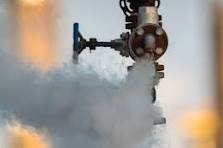
13 Common Causes of Steam Leakage and How to Prevent Costly Downtime
SEO Title: 13 Common Causes of Steam Leakage and How to Prevent Costly Downtime
Meta Description: Discover the most common causes of steam leakage in industrial systems and learn how proper sealing, insulation, and maintenance can reduce energy losses and costly downtime.
Focus Keyword: Steam Leakage
Secondary Keywords: Steam Leakage Prevention, Industrial Steam Systems, Gland Packing, Gasket Sheets, Boiler Insulation, Steam Valve Leakage, Industrial Maintenance
Introduction
Steam is one of the most widely used energy sources in industrial facilities. Textile mills, chemical plants, food processing units, pharmaceutical manufacturers, power plants, and many other industries rely on steam for heating, processing, sterilization, and power generation.
However, even a small steam leak can lead to significant energy losses, increased fuel consumption, reduced system efficiency, and expensive maintenance costs. In large facilities, multiple steam leaks can waste thousands of dollars annually while creating safety hazards for personnel.
Understanding the causes of steam leakage is the first step toward improving efficiency and reducing downtime.
This guide explains the most common causes of steam leakage and practical solutions to prevent them.
Why Steam Leakage Is a Serious Problem
Many facilities underestimate the impact of steam leakage.
Steam leaks can cause:
- Increased fuel consumption
- Higher operating costs
- Reduced process efficiency
- Pressure loss in steam systems
- Safety hazards for workers
- Equipment damage
- Increased maintenance expenses
Even minor leaks can significantly affect the performance of an entire steam network.
1. Worn-Out Gland Packing
One of the most common causes of steam leakage occurs around valve stems and pump shafts.
Over time, gland packing experiences:
- Wear
- Compression loss
- Temperature degradation
As sealing effectiveness decreases, steam begins escaping through the packing area.
Solution
Use high-quality PTFE or graphite gland packing suitable for operating temperatures and pressures.
2. Damaged Gaskets
Gaskets create seals between flanges and equipment connections.
Over time, gaskets may fail due to:
- High temperatures
- Improper installation
- Chemical attack
- Excessive pressure
Solution
Replace damaged gaskets with suitable non-asbestos or high-temperature gasket materials.
3. Incorrect Gasket Selection
Not all gasket materials perform equally.
Using the wrong material often results in premature failure.
Solution
Select gasket materials based on:
- Temperature
- Pressure
- Chemical compatibility
4. Loose Flange Connections
Vibration and thermal cycling can gradually loosen flange bolts.
This reduces gasket compression and creates leakage paths.
Solution
Implement routine inspection and torque verification programs.
5. Corrosion
Corrosion can damage:
- Flanges
- Valves
- Steam pipes
Surface damage prevents proper sealing.
Solution
Inspect components regularly and replace corroded sections promptly.
6. Thermal Expansion Stress
Steam systems constantly expand and contract.
This movement places stress on joints and connections.
Solution
Use properly designed expansion joints and supports.
7. Poor Valve Maintenance
Steam valves require periodic maintenance.
Worn internal components often lead to leakage.
Solution
Inspect valves regularly and replace worn sealing components.
8. Steam Trap Failure
Faulty steam traps are a major source of steam loss.
Solution
Establish routine steam trap inspection and testing programs.
9. Cracked Pipe Sections
Thermal fatigue and mechanical damage may create cracks.
Solution
Replace damaged piping immediately.
10. Poor Insulation
Many facilities focus only on visible leaks while ignoring heat losses.
Uninsulated steam lines waste substantial energy.
Solution
Install high-quality insulation materials such as ceramic wool or glass wool where appropriate.
11. Excessive Operating Pressure
Operating systems above design limits accelerates seal deterioration.
Solution
Maintain pressure within recommended specifications.
12. Improper Installation Practices
Incorrect installation is responsible for many sealing failures.
Solution
Follow manufacturer recommendations for packing and gasket installation.
13. Delayed Maintenance
Small leaks often become major failures when ignored.
Solution
Implement preventive maintenance schedules.
How to Reduce Steam Leakage
A comprehensive steam management program should include:
- Regular inspections
- Steam trap testing
- Proper insulation
- Correct gasket selection
- High-quality gland packing
- Preventive maintenance
Frequently Asked Questions
What causes steam valve leakage?
The most common causes are worn gland packing, damaged gaskets, corrosion, and poor maintenance.
How can steam leakage be reduced?
Regular inspections, proper sealing materials, and effective insulation significantly reduce steam losses.
Why is insulation important in steam systems?
Insulation reduces heat loss, improves efficiency, and lowers energy costs.
Which packing material is best for steam applications?
Graphite and PTFE packing are commonly used depending on operating conditions.
Why Choose Al Hamd Traders?
Al Hamd Traders supplies industrial sealing and insulation solutions including PTFE gland packing, graphite packing, non-asbestos gasket sheets, rubber products, ceramic wool, and glass wool insulation. Our products are selected to help industries reduce leakage, improve efficiency, and extend equipment life while minimizing maintenance costs.
Contact Al Hamd Traders for technical guidance and reliable industrial sealing and insulation solutions tailored to your application.
Conclusion
Steam leakage is more than a maintenance issue—it directly affects productivity, energy consumption, and profitability. By identifying the causes of leakage and implementing proper sealing, insulation, and maintenance practices, industries can reduce downtime, improve safety, and achieve substantial cost savings over the long term.