
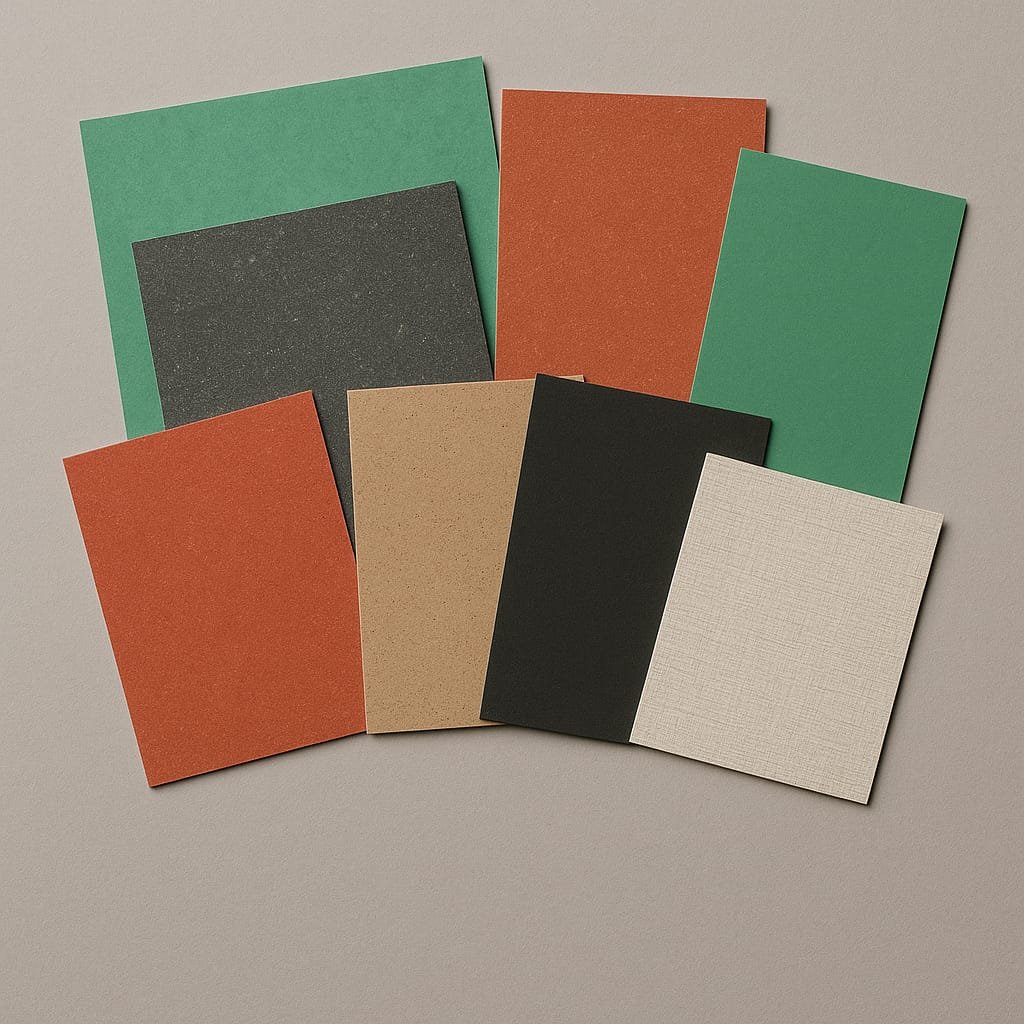
Asbestos Jointing Sheet
Asbestos jointing sheet comprises of asbestos fiber, Rubber and heat-resisting packing material compressing it to thick paper.These are Used for the equipment in water, Steam etc and used as sealing material in the joints of pipeline. Their most common use is to seal pipes or flanges to prevent the leakage of liquid.Apart from this these are also used in certain other common applications such as anti vibration and mounting. These sheets also find their extensive application in automobile industry where these are used to make gaskets for engines.
- Compressed asbestos fibre & rubber — a traditional flange gasket sheet
- Seals water & steam pipe and flange joints
- Also used for anti-vibration mounting & engine gaskets
- Ask about the non-asbestos alternative for new work
Overview
Asbestos jointing sheet is a traditional gasket material made from asbestos fibre, rubber and heat-resisting filler, compressed and calendered into a dense sheet. It is cut into gaskets that seal the joints between pipe flanges and equipment faces, preventing water, steam and other fluids from leaking out under pressure. For decades it was the default flange gasket material because the asbestos fibre gives it heat resistance and dimensional stability that ordinary rubber cannot match.
Its most common use is sealing pipe and flange joints in water and steam service, but the same sheet is also used for anti-vibration pads and equipment mounting, and cut into gaskets for engines and machinery in the automotive and general engineering trades. It is supplied in sheets of varying thickness, from which gaskets are cut to the flange pattern.
It is important to be straight about the material: this is an asbestos-containing product. Asbestos fibres are a recognised health hazard when cut, ground or disturbed, so it must be handled with the correct precautions — avoid dry cutting and dust, use appropriate protection, and follow local regulations for use and disposal. Many operators now specify asbestos-free gaskets for new work for exactly this reason.
For most new installations we would point you to our non-asbestos jointing sheet, which matches the sealing performance for the great majority of water and steam duty without the handling and disposal burden. We continue to supply asbestos jointing sheet where an existing specification or legacy application specifically calls for it — tell us the flange, pressure and temperature and we will advise the right sheet.
Specifications
Typical properties of compressed asbestos jointing sheet. For new work, compare against the non-asbestos grade.
| Property | Value | Test Standard |
|---|---|---|
| Composition | Asbestos fibre + rubber + heat-resisting filler | — |
| Form | Compressed / calendered sheet | Cut to gaskets |
| Primary Use | Flange & pipe-joint gaskets | Water, steam |
| Secondary Use | Anti-vibration pads, engine gaskets | — |
| Heat Resistance | Good (asbestos fibre base) | — |
| Thicknesses | Range of sheet thicknesses | To order |
| Health Status | Asbestos-containing — handle with precautions | See FAQs |
| Alternative | Non-asbestos jointing sheet for new work | — |
Applications
Traditional flange and joint sealing — with the non-asbestos grade recommended for new installations.
Downloads
Frequently Asked Questions
Should I use asbestos or non-asbestos jointing sheet?
For new work, we recommend the non-asbestos grade — it matches the sealing performance for the great majority of water and steam duty without the health and disposal burden of asbestos. We supply asbestos sheet where an existing specification or legacy application specifically requires it.
Is asbestos jointing sheet dangerous?
The finished, bonded sheet is stable in place, but asbestos fibres are a recognised health hazard when the sheet is cut, ground or disturbed and dust is released. It must be handled with the correct precautions — no dry cutting, appropriate protection, and disposal per local regulations.
What temperature and pressure can it take?
The asbestos fibre base gives it good heat resistance for steam and hot-water flange service. Exact pressure/temperature limits depend on the grade and thickness — tell us the flange, pressure and temperature and we will confirm the right sheet.
What is it used for besides flange gaskets?
The same sheet is cut for anti-vibration pads and equipment mounting, and for engine and machinery gaskets in automotive and general engineering repair.
How do I choose the thickness?
Thicker sheet suits rougher or less parallel flange faces and larger imperfections; thinner sheet gives a tighter, more accurate seal on good faces. Send us the flange condition and we will advise.
Can you cut gaskets to my pattern?
Yes — send the flange dimensions or a template and we will advise on cut gaskets, in either the asbestos or the recommended non-asbestos grade.
Need a quote or a spec check?
Send us your operating conditions and we will confirm the right grade for the job.
Not sure this is the right material?
Launch the Solution Finder